

As we head into another Dry January, it’s clear this moment is no longer just about a New Year’s reset.
Dry January, alongside the broader sober-curious and low/zero-proof movement, reflects a deeper shift in how consumers think about alcohol, health, and social occasions. What began as a January ritual has evolved into a year-round mindset.
For beverage brands, that shift demands rethinking. Not only in product formulation, but across category strategy, format, and also … packaging.
At O-I, we see glass packaging offering a powerful edge as expectations rise. In non-alcoholic and low-alcohol (No-Lo) beverages, success depends on more than volume alone. It hinges on delivering an elevated experience, reinforcing consistent brand cues, and building trust, especially in moments where alcohol is absent.
Dry January Is Fueling a Year-Round Shift Toward Non-Alcoholic & Low-Alcohol Beverages
Nearly half (49%) of U.S. adults said they planned to drink less alcohol in 2025, a 44% increase compared to 2023, underscoring how the sober-curious movement now extends beyond a single month.
Demand for non-alcoholic beverage options continues to rise accordingly.
Globally, the non-alcohol and low-alcohol segment is projected to grow at a compound annual growth rate (CAGR) of approximately 8% through 2032. The broader non-alcoholic beverages market is expanding even faster, driven by health-conscious, wellness-oriented consumers.
The message is clear: No-Lo alcohol is no longer a niche. But it’s a competitive, fast-growing space attracting beverage brands across beer, wine, spirits, RTD, and beyond. And each of them brings their own heritage, expectations, and challenges.
Why Beer, Wine, and Spirits Brands are Entering the Non-Alcohol or Low-Alcohol Market
Because the non-alcohol and low-alcohol beverage opportunity is broad and dynamic, brands are entering the space from very different starting points.
Traditional beer brands may introduce 0.0 variants of flagship or craft offerings. Wine and spirits brands often expand into non-alcoholic alternatives or acquire established No-Lo players. RTD and NAB brands increasingly evolve into “adult soft drink” or functional beverage formats, competing on taste, lifestyle, and wellness attributes, not simply alcohol content.

Brands such as Heineken, JNPR Spirits, and Le Petit Chavin are already active in this non-alcoholic and low-alcoholic beverage drink space.
However, with different category legacies come different consumer expectations, whether those relate to flavor authenticity, premium cues, wellness benefits, or convenience. There is no one-size-fits-all playbook.
The opportunity belongs to brands that deliver elevated moments with approachability. And many are craving these experiences that feel indulgent and social, without feeling like a compromise.
It’s in these scenarios that packaging becomes a decisive factor. It shapes perception, signals intent, and communicates the product’s promise,often before the first sip.
Glass Packaging: A Premium Signal for Non-Alcoholic and Low-Alcoholic Beverages
When consumers choose a zero-proof beverage, many are looking for more than “just water.” They want something that feels adult, intentional, and aligned with moderation or wellness goals.
Glass packaging meets that expectation.
Purity and Safety in Non-Alcoholic & Low-Alcoholic Beverage Packaging
Glass is non-porous, impermeable, and non-toxic. It doesn’t leach chemicals, interact with contents, or alter taste and aroma, making it a trusted healthy packaging choice for wellness-conscious consumers.
Premium Sensory Experience with Glass Packaging
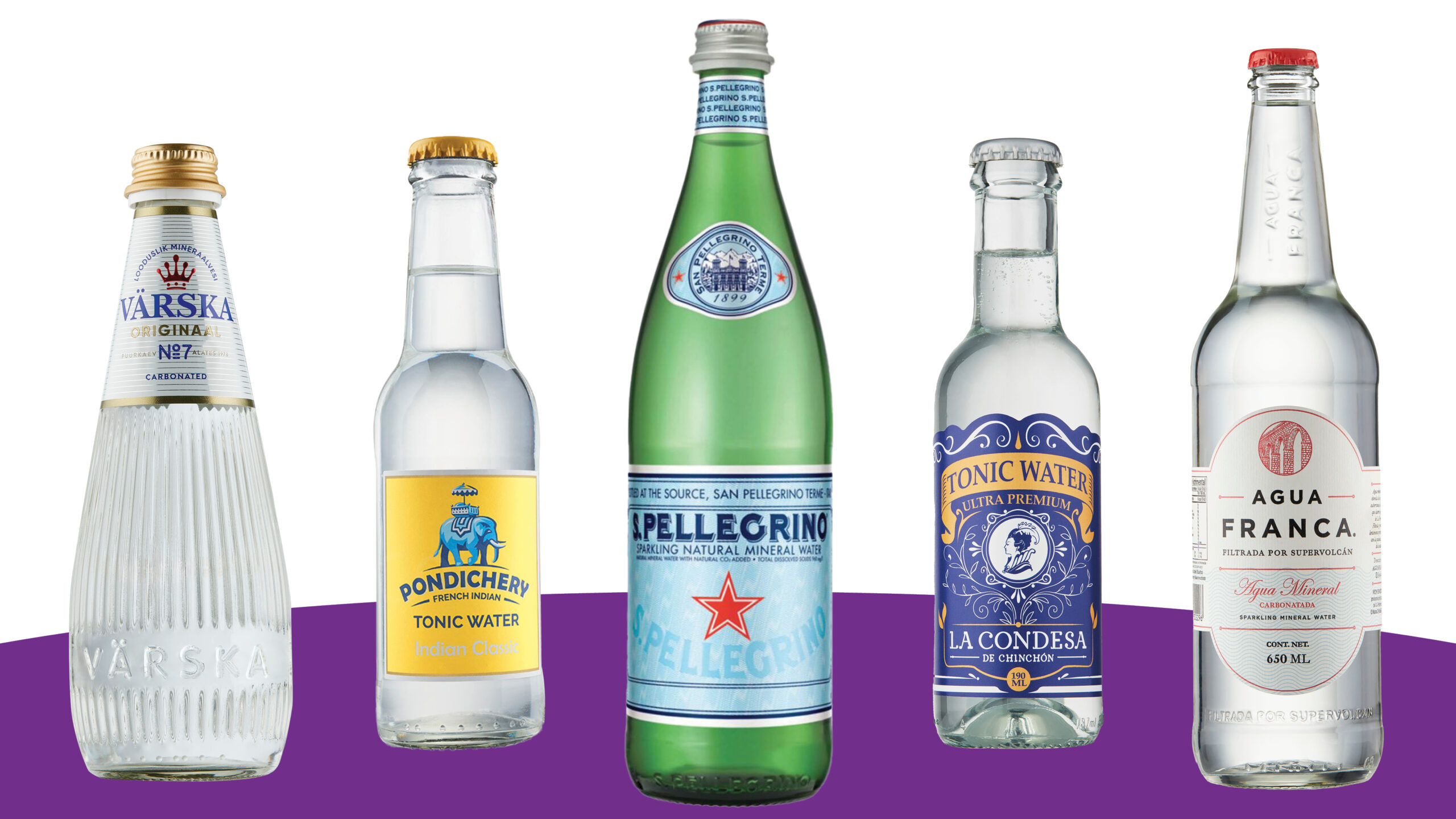
Glass delivers a multisensory experience—clarity, weight, sound, and texture—that contributes to perceived quality. For No-Lo drinks, these cues help bridge the gap between “alcohol-free” and “adult beverage,” reinforcing premium positioning and occasion-worthiness.
Sustainable Packaging and Recyclability with Glass
As sustainability becomes more influential in purchase decisions, glass packaging stands out. It is endlessly recyclable, giving it a sustainable packaging advantage, without loss of quality.
In a 2022 independent study of more than 4,000 consumers across 13 European countries, the majority said they would buy more products packaged in glass than any other material, highlighting both environmental credibility and consumer preference.
Brand Consistency and Packaging Flexibility for Non-Alcohol or Low-Alcohol Beverage Portfolios
For brands extending existing alcoholic portfolios into No-Lo, glass supports continuity in shape, labeling, design, and overall brand recognition.
For newer No-Lo, RTD, or functional beverage brands, glass offers flexibility, supporting premium, craft, or wellness positioning depending on design choices.
And in a space dominated by PET and cans, glass also brings differentiation and novelty.
In all cases, glass is not simply a sustainable or nostalgic option. It is a strategic packaging solution aligned with what today’s No-Lo consumers expect (and what brand managers need) for 2026 and beyond.
What Winning No-Lo Brands Should Get Right: Three Focus Areas
1. Position Around Experience, Not Just “Alcohol-Free”
Successful No-Lo brands avoid framing products as “water with flavor.” Instead, they highlight experiences that evoke emotion, such as elevated mocktails after work, crafted zero-proof cocktails at dinner, or a sophisticated non-alcoholic beer shared socially. Corona Cero does this well, bringing the experience of Corona to sports and athletes through a non-alcoholic variant – that is offered in the same flint bottle for the same elevated experience.
Packaging plays a central role. And with intentional design, glass can signal choice and quality, making it clear this is not a compromise, but a considered alternative.
2. Maintain Premium Signal While Meeting Value Expectations
With growth in No-Lo, there will be segments across price points. Some consumers will seek premium, craft-style products; others might favor value and accessibility. Glass packaging, especially with design variations like tinted glass, lightweight bottles, or resealable formats, offers a wide design palette to serve both ends of the spectrum.
And just look at Varska on page 100 of our Design Book 3 to see the essence of refinement and simple luxury.
3. Align Packaging With Sustainability Values Without Sacrificing Quality
For many No-Lo consumers, health and environmental consciousness go hand in hand. Using glass packaging supports those values credibly — 100% recyclability and reusability (up to 30 cycles). And brands can leverage these glass benefits to build a sustainable positioning with consumers. Check out this example from Postobon, promoting taste, sustainability and a more affordable option!
What This Means for O-I and Beverage Brand Managers
If you’re a beverage brand manager looking to enter, or expand, in the non-alcohol or low-alcohol space in 2026 and beyond, several priorities stand out:
- Treat No-Lo as a long-term opportunity, not a seasonal or niche trend. The data has spoken. And consumer behavior has shifted well beyond January.
- Use packaging strategically. Glass is a powerful tool to convey quality, trust, and premium positioning even (or especially) when the product is alcohol-free.
- Design with purpose and flexibility. Whether launching a premium sparkling water, functional beverage, or a non-alcoholic beer, you can leverage glass design options to align with experience, value, and lifestyle expectations.
- Maintain brand consistency across portfolios, whether extending established alcoholic brands or building a distinct No-Lo identity.
At O-I, we partner with brands navigating this evolving landscape, from designing sleek bottles for sparkling water to developing refillable glass solutions or lightweight packaging that meets sustainability goals.
With our work across all beverage categories, we have unique insights to support non-alcohol and low-alcohol innovation—today and beyond. Contact us to learn more.


